Crisis Communications & Systems | Sonoma County, CA | 2019–2023
Disaster Response & Community Resilience

The Context
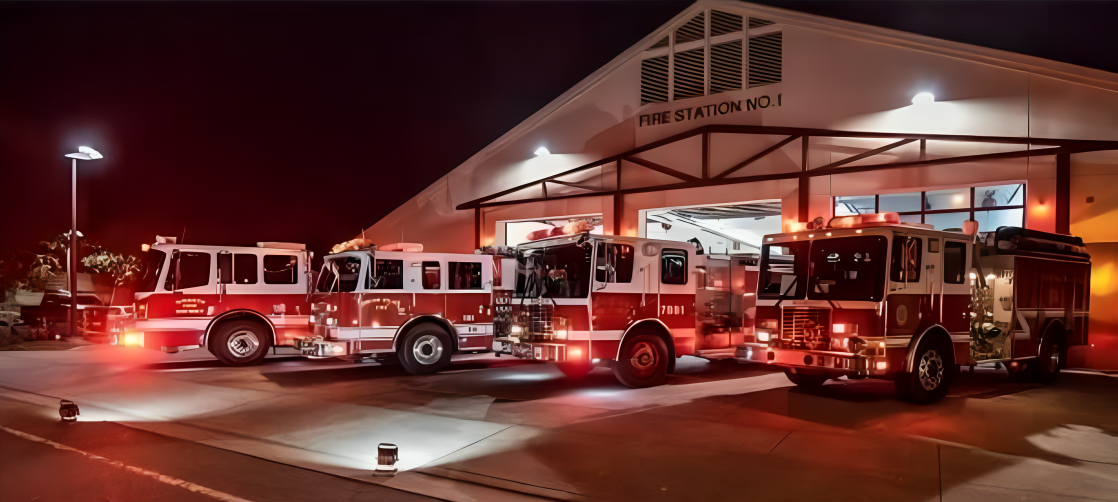
West Sonoma County's lower Russian River region is no stranger to disaster. During Elise's tenure with Supervisor Hopkins' office, the region faced the Walbridge and LNU fires — two of the most significant wildfires in California history — alongside major flooding events. Her response operated on three levels simultaneously: immediate crisis communications, long-term community preparedness infrastructure, and systemic reform of the region's fragmented fire response capacity.
Act One: Crisis Communications
When the fires hit, the information landscape fractured. Residents, evacuees, and first responders were piecing together updates from scattered sources — none comprehensive, none fully reliable.
Elise moved the office's regular twice-monthly newsletter and social media cadence to twice daily, compiling not just the Supervisor's office updates but real-time information from every first responder agency operating in the region. The goal was a single, trusted source that anyone — resident, volunteer, or incoming officer — could rely on without cross-checking a dozen feeds.
The result spoke for itself. Captain Ari Wolff of the California Highway Patrol told Elise he had made the updates required reading for officers coming on duty — the most comprehensive and accurate briefing available to responders entering the area.
During the same period, Elise coordinated partnerships with nonprofits to organize evacuations for homeless individuals and others who couldn't self-evacuate, helped fill sandbags, and assisted in standing up emergency shelters and meal distribution.
Act Two: Building Preparedness Infrastructure
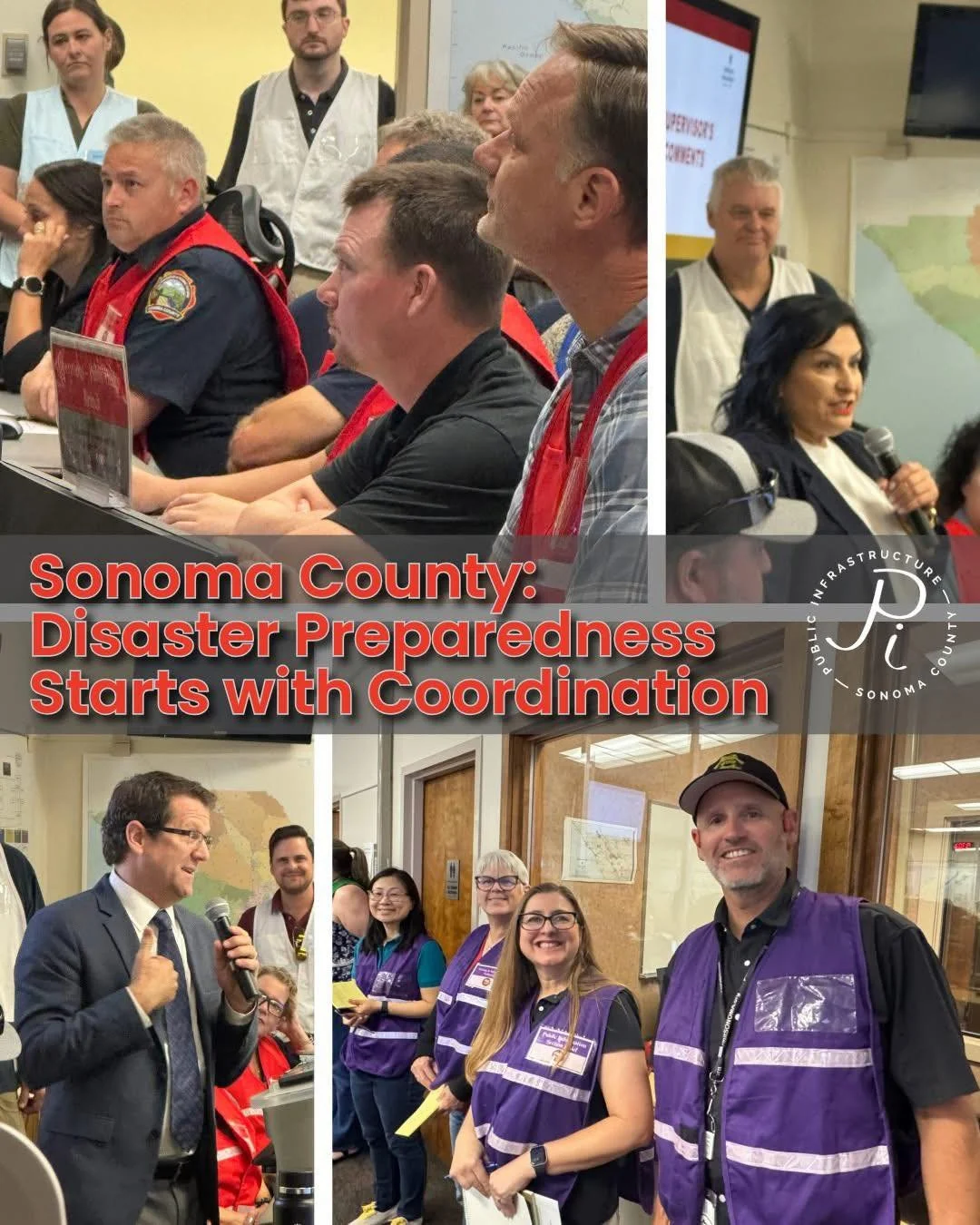
Between crises, Elise turned to the harder work of building systems that would make the next disaster less catastrophic.
Annual Disaster Preparedness Fair
Each year, Elise produced a community disaster preparedness fair bringing together speakers on evacuation planning, animal care, communications, and more. Pre-assembled disaster backpacks and hand-crank NOAA weather radios were distributed to attendees — tangible tools for households that might otherwise lack basic preparedness supplies.
Solving the Communications Dead Zone
One of the most stubborn vulnerabilities in the region was cellular infrastructure. When disaster struck, cell service failed — leaving both incoming first responders and local residents without reliable information exactly when they needed it most. Elise led a multi-part solution:
Working with Public Works and the district's community grant fund, she established free solar-powered WiFi hubs in each downtown area of the unincorporated region — battery-backed so they would remain operational when the grid went down
She partnered with local GMRS and Ham radio clubs to fund repeater infrastructure, building a trained hub-and-spoke relay team capable of pushing information into rural areas where no other signal could reach
Act Three: Systemic Fire District Reform
Behind the immediate crisis response lay a deeper structural problem: the region's many small, independent fire districts were under-resourced and under-coordinated, limiting their collective capacity to respond to large-scale emergencies.
Elise led a six-month facilitated convening of fire district leaders — a process that required building trust across organizations with distinct histories, cultures, and concerns about autonomy. The outcomes were concrete:
Several districts merged, consolidating resources and command structures
Others established formal coordination agreements, improving mutual aid response
The work fed directly into a county-wide fire funding ballot initiative — which passed — providing sustained, systemic support for fire response capacity across Sonoma County
The Through-Line
What makes this body of work distinctive isn't any single piece — it's the range. From drafting a twice-daily emergency briefing trusted by the CHP, to building solar-powered WiFi infrastructure for rural communities, to facilitating the governance process that reformed a fragmented fire system — this is what it looks like to treat communications and community resilience as the same problem.