Inclusive Outreach | Sonoma County, CA | 2022–2023
The Charla Initiative
The Challenge
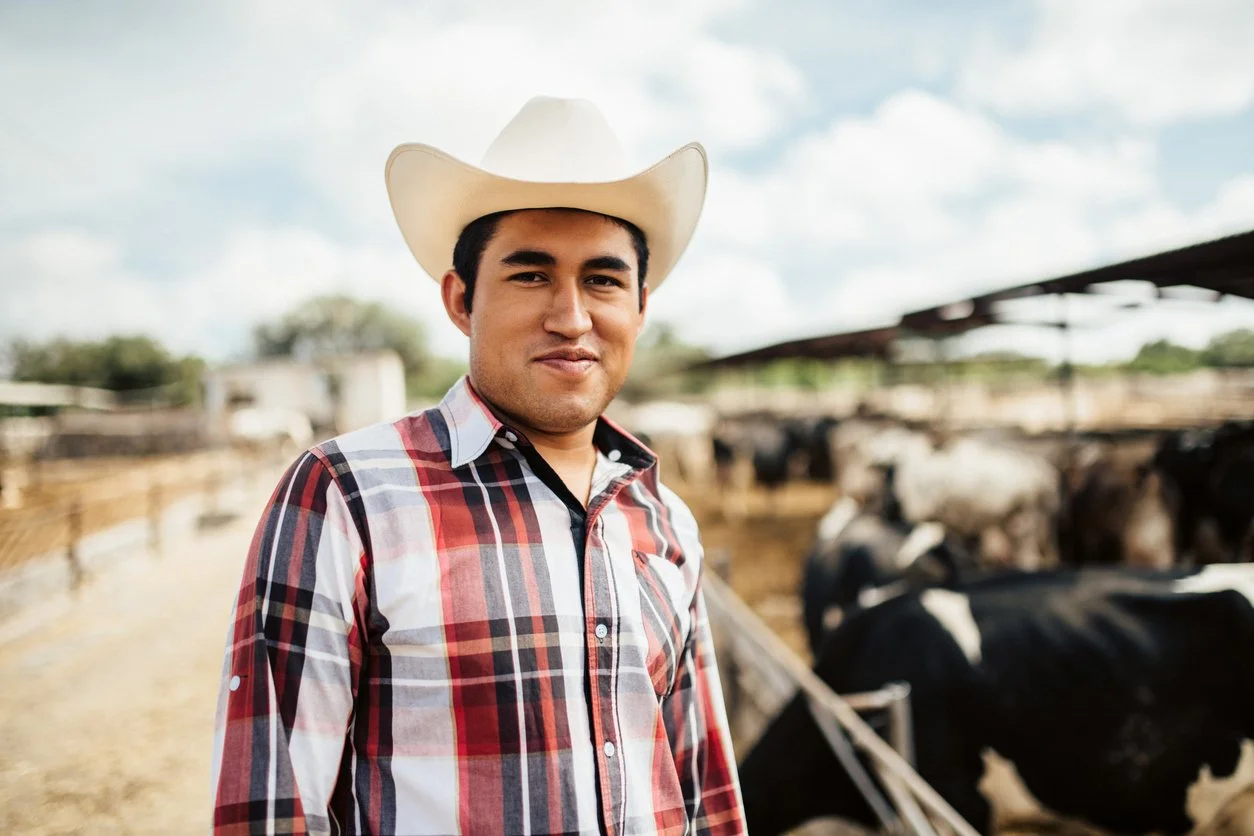
West Sonoma County's Latino workforce communities were underserved by county communications — not for lack of intent, but for lack of the right approach. When Supervisor Hopkins' office committed to closing that gap, the first instinct was a reasonable one: hire a translator and produce Spanish-language versions of existing newsletters and social media content.
A year in, engagement hadn't moved.
The Insight
Rather than push harder on a strategy that wasn't working, Elise went to the community for guidance. Through her relationship with the founder of Los Cien — a trusted Latino civic organization in the region — she sat down with their leadership and asked directly: what are we missing?
The answer reframed everything. Translating county messaging into Spanish wasn't inclusion — it was the same content, same format, same assumptions, different language. What the community needed was a Charla: a gathering built around their culture, their schedule, their trust networks, and their actual lives.
What Was Built
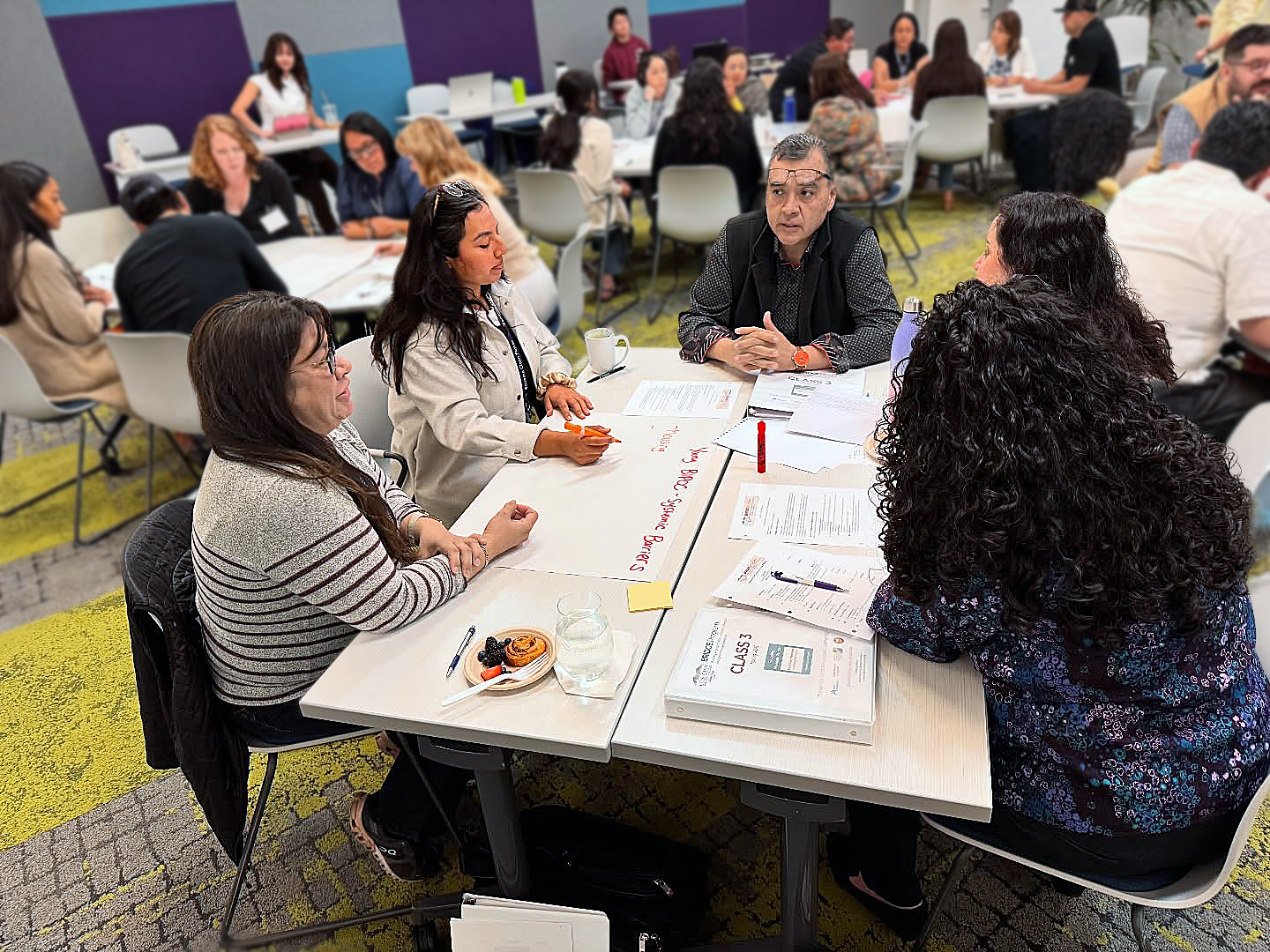
Working with Los Cien, Elise designed and launched the first annual West Sonoma County community Charla in 2022. Every design decision was intentional:
The whole meeting was conducted in Spanish — so Elise received the translation, not the audience
Timing accommodated working families — allowing parents and children to attend together
Food, services, and children's activities were woven in, making attendance genuinely worthwhile for the whole family
Trusted community advocates were positioned throughout the room to encourage open conversation and bridge institutional distance
The result: a full auditorium — roughly 150–200 attendees — the first time this community had ever turned out in those numbers for a county engagement event. The Charla became an annual tradition that has continued beyond Elise's tenure.
What Was Learned
The Charla surfaced systemic issues the county office had never encountered through normal channels — because normal channels hadn't reached these residents:
School bus schedules were structured in a way that guaranteed students arrived late to first period every day
Many community members had never attended school, making written materials — even in Spanish — inaccessible
Significant unmet needs existed in healthcare access and food availability

The Impact
These findings weren't just documented — they were routed. A Supervisor's office functions as a constituent hub: gathering what communities experience and channeling it, with advocacy, to the agencies positioned to act. The issues surfaced at the Charla were brought directly to the relevant county departments, leading to concrete service improvements.
The office also established ongoing communications partnerships with nonprofits serving the Latino workforce community — ensuring that critical information continued to flow to the people who needed it, not just during election cycles or crises.
The Charla model demonstrated that genuine inclusion requires meeting people where they are: culturally, linguistically, logistically, and with enough trust that they'll tell you what's actually going on. It permanently changed how the office engaged this community.